

Our Blog
DME Made Simple: What Carolina Patients Need to Know About Medicare & Medicaid

Whether you’re a patient recovering at home, a caregiver managing a loved one’s needs, or a healthcare provider coordinating post-discharge care, understanding how Durable Medical Equipment (DME) works with Medicare and Medicaid is essential. At Carolina Healthcare Products, we are proud to be accredited with The Compliance Team — committed to making sure every patient gets the right equipment, covered correctly, and delivered with ease across North and South Carolina.
What Is Durable Medical Equipment (DME)?
Durable Medical Equipment refers to medically necessary devices prescribed by a physician that are designed for repeated use, serve a medical purpose, and are appropriate for use in the home. Common examples include:
- Wheelchairs
- Hospital beds and pressure-relief mattresses
- Oxygen equipment and supplies
- CPAP and BiPAP machines for sleep apnea
- Walkers, crutches, and canes
- Nebulizers
- Diabetes testing supplies and continuous glucose monitors
- Prosthetics and orthotics
To qualify as DME, the equipment must be durable (able to withstand repeated use), primarily serve a medical purpose, not be useful to a person without illness or injury, and be appropriate for use in the home setting.
Medicare and DME: What You Need to Know
Medicare is the federal health insurance program covering adults 65 and older, as well as younger individuals with qualifying disabilities. DME falls under Medicare Part B (Medical Insurance), not Part A.
Coverage Requirements
For Medicare to cover DME, several conditions must be met:
- Medical necessity — Your doctor must certify that the equipment is medically necessary and issue a written order or prescription.
- Enrolled supplier — The equipment must be purchased or rented from a Medicare-enrolled DMEPOS (Durable Medical Equipment, Prosthetics, Orthotics, and Supplies) supplier.
What Medicare Pays
Medicare Part B generally covers 80% of the Medicare-approved amount for covered DME after the annual deductible is met. The patient (or their supplemental insurance) is responsible for the remaining 20% coinsurance.
Some items are covered as a rental (such as oxygen equipment), while others are purchased outright. Medicare sets clear rules about when rental converts to ownership.
Prior Authorization
For certain high-cost or frequently misused items — including power wheelchairs and lower-limb prosthetics — Medicare now requires prior authorization before providing coverage. This step helps prevent fraud and ensures appropriate utilization.
Medicaid and DME in the Carolinas
Medicaid is a joint federal-state program serving low-income individuals and families, including children, pregnant women, elderly adults, and people with disabilities. Each state administers its own Medicaid program within federal guidelines, meaning coverage rules can differ significantly between North Carolina and South Carolina.
North Carolina Medicaid (NC Medicaid)
North Carolina has been actively transforming its Medicaid program, transitioning to managed care through NC Medicaid Managed Care. Most beneficiaries now receive services through one of several Prepaid Health Plans (PHPs).
Key DME points for NC Medicaid:
- DME is covered for medically necessary items when prescribed by a licensed provider.
- Providers must be enrolled in the NC Medicaid program.
- Prior authorization is required for many items, including power mobility devices, hospital beds, and custom orthotics.
- Behavioral Health and Intellectual/Developmental Disability Tailored Plans may have additional DME-related provisions for qualifying populations.
Beneficiaries should work with their managed care plan (such as Aetna Better Health of NC, AmeriHealth Caritas NC, Healthy Blue, Molina Healthcare of NC, or UnitedHealthcare Community Plan) to confirm coverage and approved suppliers.
South Carolina Medicaid (SC Healthy Connections)
South Carolina’s Medicaid program is known as SC Healthy Connections, administered by the South Carolina Department of Health and Human Services (SCDHHS).
Key DME points for SC Medicaid:
- DME coverage is available for medically necessary items with a valid physician order.
- Providers must be enrolled as SC Medicaid suppliers.
- Prior authorization is required for higher-cost items and specialized equipment.
- The South Carolina Healthy Connections Medicaid portal manages eligibility and claims.
- SC also operates the Partners for Health managed care program for certain populations, which may have specific DME processes.
Patients should contact SCDHHS or their managed care plan directly to verify current coverage guidelines, as these can change with state policy updates.
Dual Eligibility (Medicare + Medicaid)
Many older adults and individuals with disabilities in the Carolinas qualify for both Medicare and Medicaid — sometimes called “dual eligibles.” In these cases:
- Medicare is the primary payer for DME
- Medicaid may cover the remaining cost-sharing (the 20% coinsurance and deductible)
- Both programs must accept the supplier for payment to work smoothly
Navigating dual eligibility can be complex. Working with a local DME supplier experienced in billing both programs is strongly recommended.
Delivery Across North and South Carolina
Getting your equipment is simple. We deliver throughout North and South Carolina via UPS, FedEx, and USPS — right to your door, wherever you call home.
Tips for Patients and Families
1. Always use a Medicare/Medicaid-enrolled supplier. Using a non-enrolled supplier means Medicare and Medicaid will not pay — leaving you with the full bill.
2. Get everything in writing. Obtain a copy of your physician’s order, the supplier’s Assignment of Benefits form, and any prior authorization approvals before equipment is delivered.
3. Ask about your out-of-pocket costs upfront. A reputable supplier will explain what Medicare or Medicaid will cover and what, if anything, you’ll owe before delivery.
4. Keep your equipment serviced. Many Medicare-covered rental items include maintenance and repair. Know your rights and contact your supplier if equipment malfunctions.
5. Know your appeal rights. If Medicare or Medicaid denies a DME claim, you have the right to appeal. Your supplier, physician, or a local State Health Insurance Assistance Program (SHIP) counselor can help guide you through the process.
Finding a Trusted DME Provider in the Carolinas
When selecting a DME supplier, look for:
- Medicare and Medicaid enrollment (verifiable at medicare.gov)
- Accreditation from ACHC (Accreditation Commission for Health Care) or The Joint Commission
- Local presence and service coverage in your specific county or region
- Experience with your specific equipment needs
- Responsive customer service and a clear after-hours contact policy
- Transparent billing practices
The NC Division of Health Service Regulation and the SCDHHS Provider Directory can also help verify licensed, enrolled suppliers in each state.
Final Thoughts
Accessing the right Durable Medical Equipment through Medicare or Medicaid doesn’t have to be overwhelming. At Carolina Healthcare Products, accredited with The Compliance Team, we are here to guide you through the process — from verifying your coverage to getting your equipment delivered to your door.
If you have questions about your coverage or your equipment, don’t hesitate to reach out. The right equipment, in the right hands, makes all the difference in your health, independence, and quality of life.
This blog post is intended for informational purposes only and does not constitute legal, medical, or insurance advice. Coverage rules for Medicare and Medicaid are subject to change. Always verify current coverage with your insurance provider and a licensed DME supplier.

Related Posts
What You Need to Know About Shower Chairs and Tub Transfer Benches with Insurance
-
Posted by
Carolina
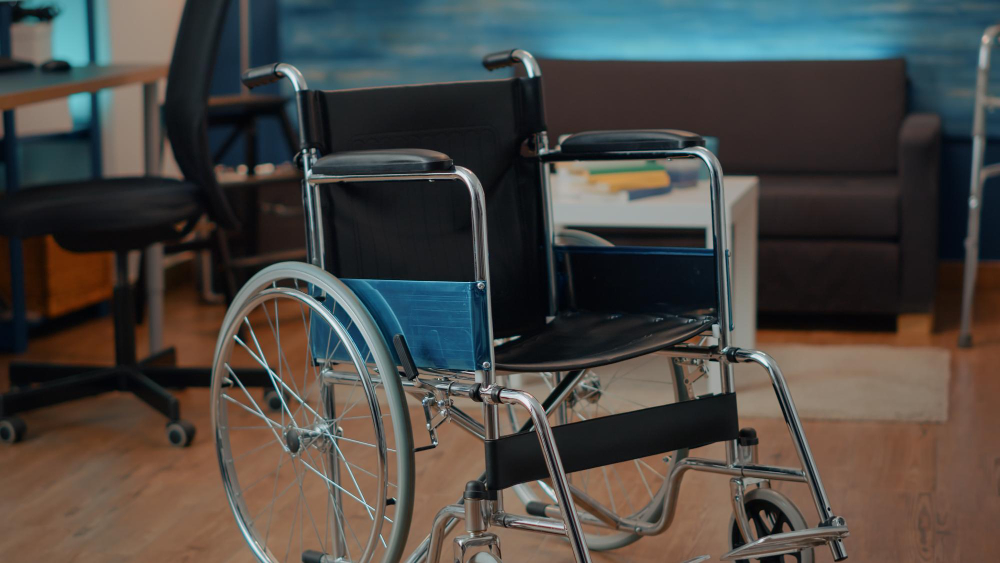
How to Get a Manual Wheelchair Covered by Insurance
-
Posted by